

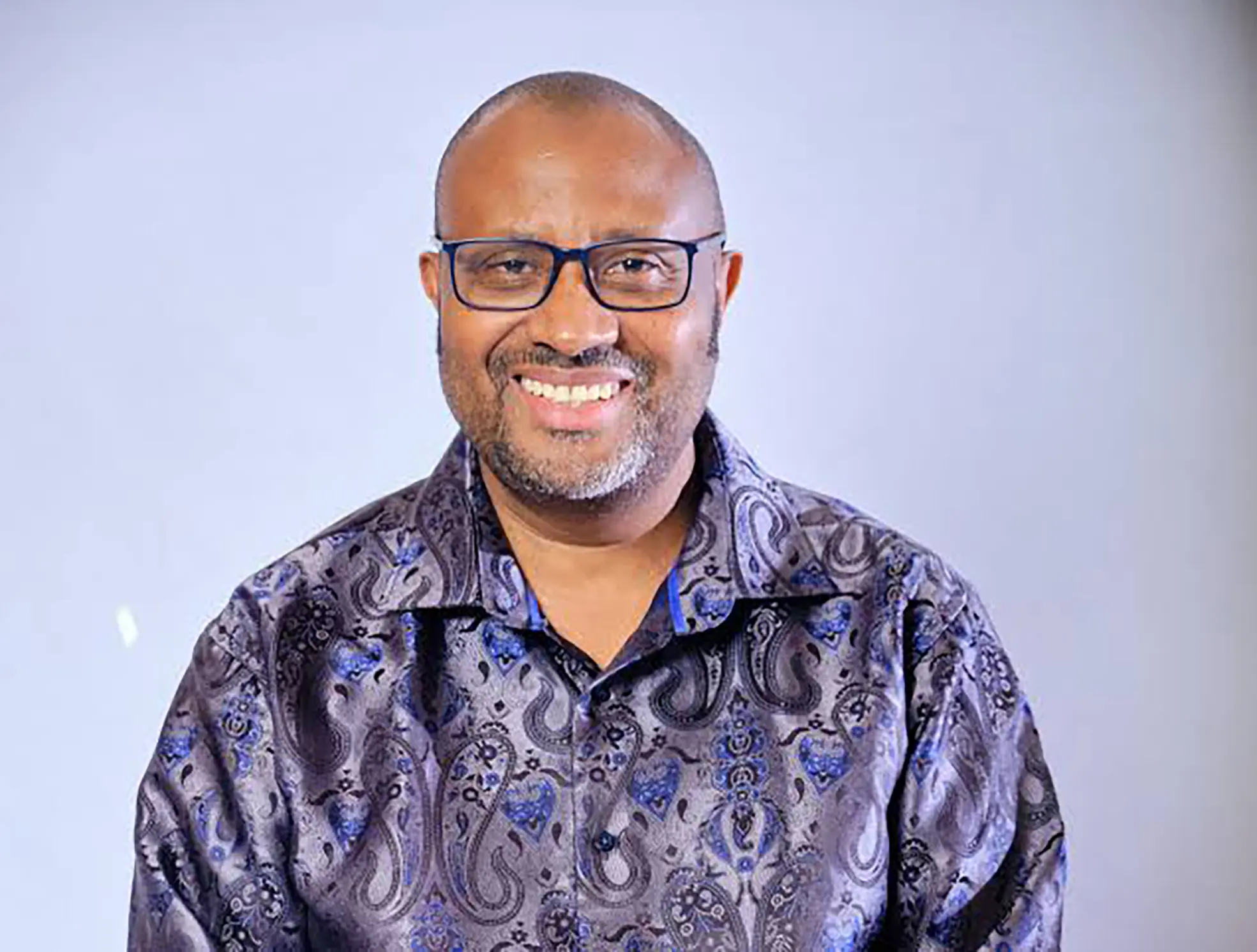
Incoming University of Fort Hare vice-chancellor Prof Wezile Chitha will be expected to turn institutional ambitions into tangible improvements in students’ daily lives, the university’s Student Representative Council (SRC) said on Sunday.
SRC chair Someleze Ndamase welcomed Chitha’s appointment, but said students wanted to see improved campus facilities, better student services, effective service delivery and learning environments that upheld their dignity.
Chitha, a medical doctor and academic who currently serves as executive dean in the Faculty of Medicine and Health Sciences at Walter Sisulu University, was unanimously appointed by Fort Hare’s council at a special meeting on Friday.
He is expected to take office in the first quarter of 2027.
Ndamase said the appointment marked the end of an important chapter in the recruitment process and the beginning of a new era of institutional leadership.
“We believe that leadership must be measured not only by strategic plans and institutional ambitions but also by tangible improvements in students’ daily lives, the quality of teaching and learning, the condition of residences and academic facilities, and the university’s responsiveness to the concerns of its student community,” Ndamase said.
He said the SRC was ready to work with Chitha and the broader university leadership to advance transformation, accountability, academic excellence and student welfare.
Chitha’s appointment comes as UFH prepares to develop a long-term strategic framework aligned with its 2040 vision, which identifies academic excellence, research impact, infrastructure development, institutional sustainability, effective governance and student life as key priorities.
Council chair Dr Siyanda Makaula described the appointment as a significant milestone in the institution’s efforts to rebuild and strengthen itself.
“The appointment of Professor Chitha marks an important moment in the history of the University of Fort Hare as we advance our journey of institutional re-visioning and rebirth,” Makaula said.
He said the university needed leadership capable of ensuring institutional stability, effective governance, sustainable infrastructure and an improved student experience.
“This requires more than academic excellence and research distinction.
“It demands institutional stability, effective governance, sustainable infrastructure and, fundamentally, a student experience that reflects the dignity, aspirations and potential of every young person who chooses Fort Hare,” he said.
The appointment followed a recruitment process conducted in accordance with the university’s approved governance procedures.
Shortlisted candidates presented their visions for the university’s development towards 2040 at a joint sitting of the council, senate and the Institutional Forum on October 15.
Representatives of the SRC, Convocation and organised labour attended the presentations before formal interviews were conducted the following day.
Council’s decision followed a unanimous recommendation from the Vice-Chancellor Recruitment and Selection Committee, alongside consideration of institutional voting outcomes and candidate assessments.
Chitha emerged as the highest-ranked candidate in assessments conducted by both the senate and Institutional Forum.
Makaula described the process as comprehensive and said it demonstrated the importance of consultation and collective responsibility in determining the university’s leadership.
Chitha brings extensive experience in academic leadership, public health and institutional development to the position.
He is an associate professor of health systems and policy at Walter Sisulu University and holds a Bachelor of Medicine and Bachelor of Surgery degree, a master’s degree in public health specialising in health economics from the University of Cape Town, and a PhD in public health from Walter Sisulu University.
His previous leadership positions include acting assistant dean for strategic affairs at the University of the Witwatersrand and founding director of the Albertina Sisulu Centre for Global Health and Research.
He was also elected president of the Health Professions Council of South Africa for the 2025–2030 term.
His work has focused on health systems, public health policy, health economics, clinical governance and equitable access to health care.
Makaula said the council was confident that Chitha’s executive leadership and organisational development experience would help advance the university’s strategic objectives and strengthen its position in SA’s higher education sector.
He called on students, staff, alumni and other stakeholders to support the incoming vice-chancellor.
“The future of Fort Hare is a shared responsibility, and its success will depend on the collective commitment of our students, staff, alumni and institutional stakeholders,” he said.
“The Fort Hare we want has always been about more than the appointment of one individual. It is about the future we aspire to build together.
"Today, we have taken a decisive step towards that future by appointing the leader we believe Fort Hare needs.”
Daily Dispatch